Property Analysis
How to Estimate Rental Property Taxes After You Buy
Use assessor records, the proposed purchase and local tax rules to estimate what a rental may owe after closing. Separate temporary bills from the expense you need to underwrite.

Explore Oycora Articles and calculators for Property Analysis.
Property Analysis
Use assessor records, the proposed purchase and local tax rules to estimate what a rental may owe after closing. Separate temporary bills from the expense you need to underwrite.
Property Analysis
Start with realistic rental income and expenses, then work backward from your cash flow goal to the mortgage payment and purchase price your numbers can support.
Property Analysis
Compare a rent-ready rental with a cheaper property needing work by separating initial repairs, cash reserves, delayed rent, and first-year performance.
Property Analysis
Cash flow and taxable rental income treat mortgage principal, depreciation, and reserve funding differently. Follow one property’s numbers to see why.
Property Analysis
A higher rent does not necessarily mean higher income after expenses. Compare the dollars retained from a rent increase with updated costs and test NOI and cash flow.
Property Analysis
A rental property reserve should reflect the bills that continue when rent stops, upcoming replacements, and unexpected costs. Learn how to build a property-specific cash cushion and test how long it could last.
Property Analysis
Break-even occupancy shows how much of a rental property's potential income must be collected to cover operating expenses and debt service. Learn how to calculate it, what the result means, and how to use it to measure a property's margin for vacancy and income loss.
Property Analysis
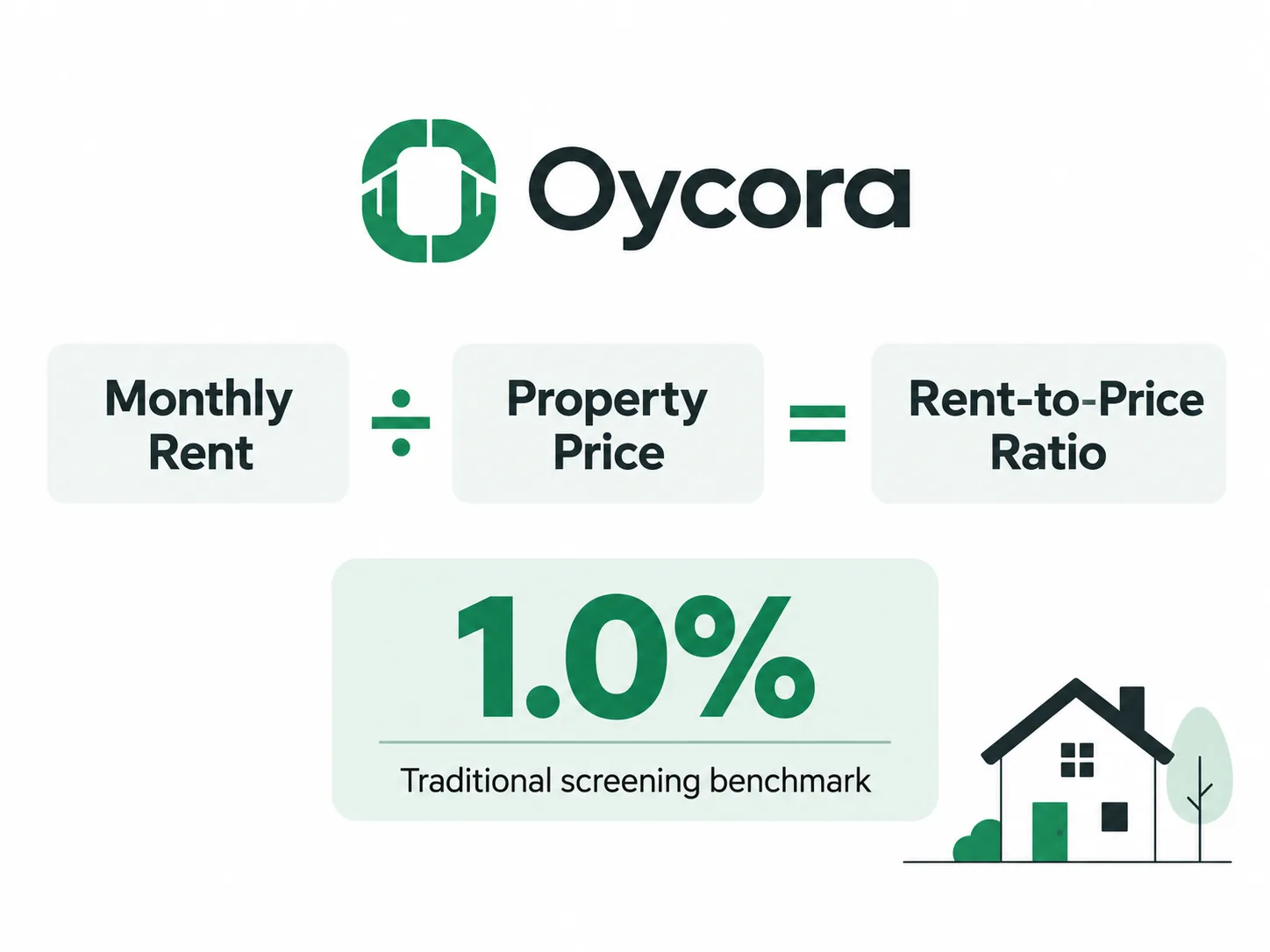
The 1% Rule is a quick screening shortcut that compares a property's monthly rent with its purchase price. Learn how it works, what it can tell you, what it completely ignores, and why it should never replace a full rental-property analysis.
Property Analysis
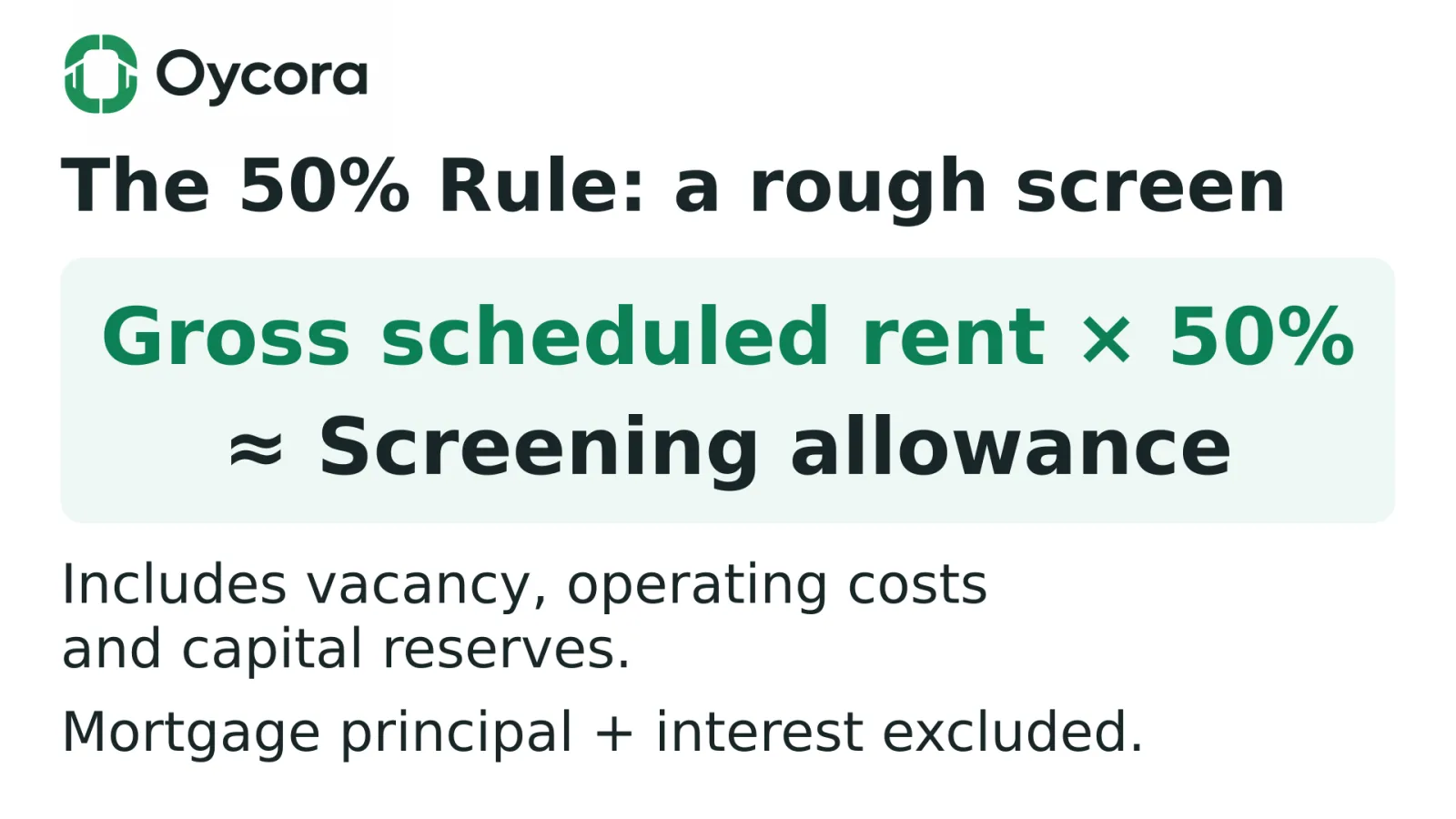
The 50% Rule is a quick way to estimate rental-property operating expenses when detailed numbers are not yet available. Learn how it works, what it includes, where it breaks down, and why it should be replaced with property-specific expenses before making a decision.
Property Analysis
Rental property ROI looks beyond a single year of cash flow. Learn how to reconcile rental cash flow, net sale proceeds, and all cash invested to estimate a holding-period return without double-counting equity.
Property Analysis
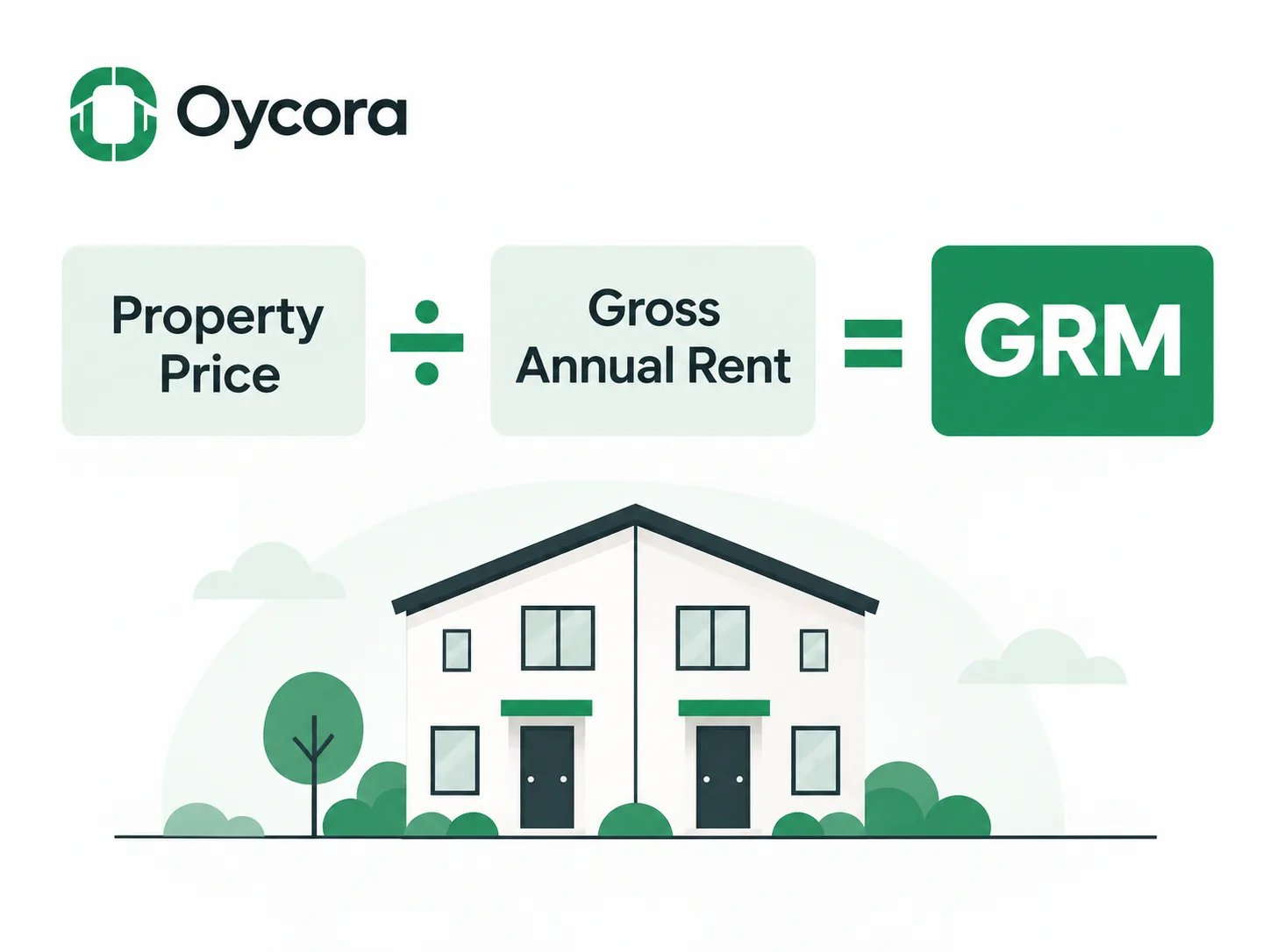
Gross rent multiplier is a quick way to compare a property's price with its gross annual rent. Learn how to calculate GRM, what a lower or higher result can suggest, and why it should only be used as an initial screening metric.
Property Analysis
Operating expenses can make or break a rental-property analysis. Learn which recurring costs belong in the calculation, which costs should be treated separately, and how realistic expense assumptions affect NOI and cash flow.